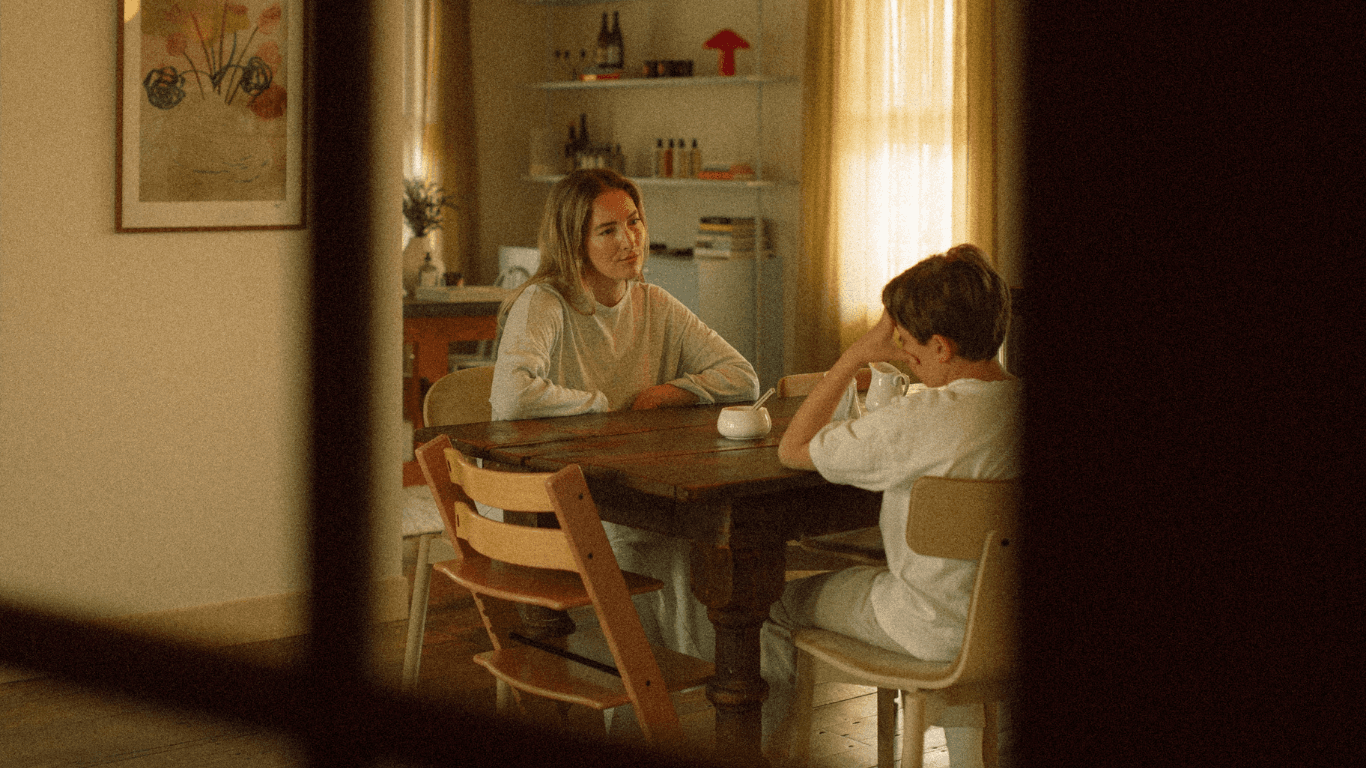
Imagine a little world without routine, where the unexpected reigns and change is the only constant. Now, add tired young children to this chaos. How do you feel? Anxious? Confused? A sense of insecurity? If so, you already understand the importance of a routine.
You've probably noticed during special times, like holidays: when schedules fall apart, children's reactions often become unpredictable. Routine is a reference point. It helps children (and their parents!) know what to expect, feel prepared, and relax.
A sleep routine is a set of cues we send to the body and brain to say: "It's time to relax, sleep is coming." Let's see why it's so beneficial, what it looks like, and how to implement it.
The Benefits of a Sleep Routine
Sense of Security
Routines create predictability, which children love. Knowing what's coming reassures them and reduces their anxiety. Children feel competent because they recognize the steps and anticipate what they need to do.
Calmness
A calm and consistent routine helps the body relax. Children who follow the same sequence every evening often fall asleep more easily and quickly. Their nervous system learns to associate these moments with relaxation.
Family Organization
A well-established routine helps the whole family. Evenings are smoother, conflicts decrease, and everyone knows what they need to do. When children actively participate in their routine, such as choosing their pajamas, parents can share tasks more easily.
Autonomy and Cognitive Development
Children accustomed to a sleep routine from an early age become more autonomous. They learn to recognize the steps, manage transitions, and understand the consequences of delays or refusals. Without realizing it, they exercise their memory, sense of organization, language, and ability to regulate their emotions.
Elements of a Good Routine
A routine doesn’t need to be long: between 5 and 20 minutes is enough. The key is consistency and predictability. If possible, both parents should participate so the child associates sleep with the reassuring presence of each.
Here are some ideas depending on the time of day:
Bedtime Routine
The goal is to create a gradual transition to sleep. The routine isn’t meant to put the child directly to sleep, but to calm them. For very young children, a drink can be offered at the beginning or middle of the routine. Then:
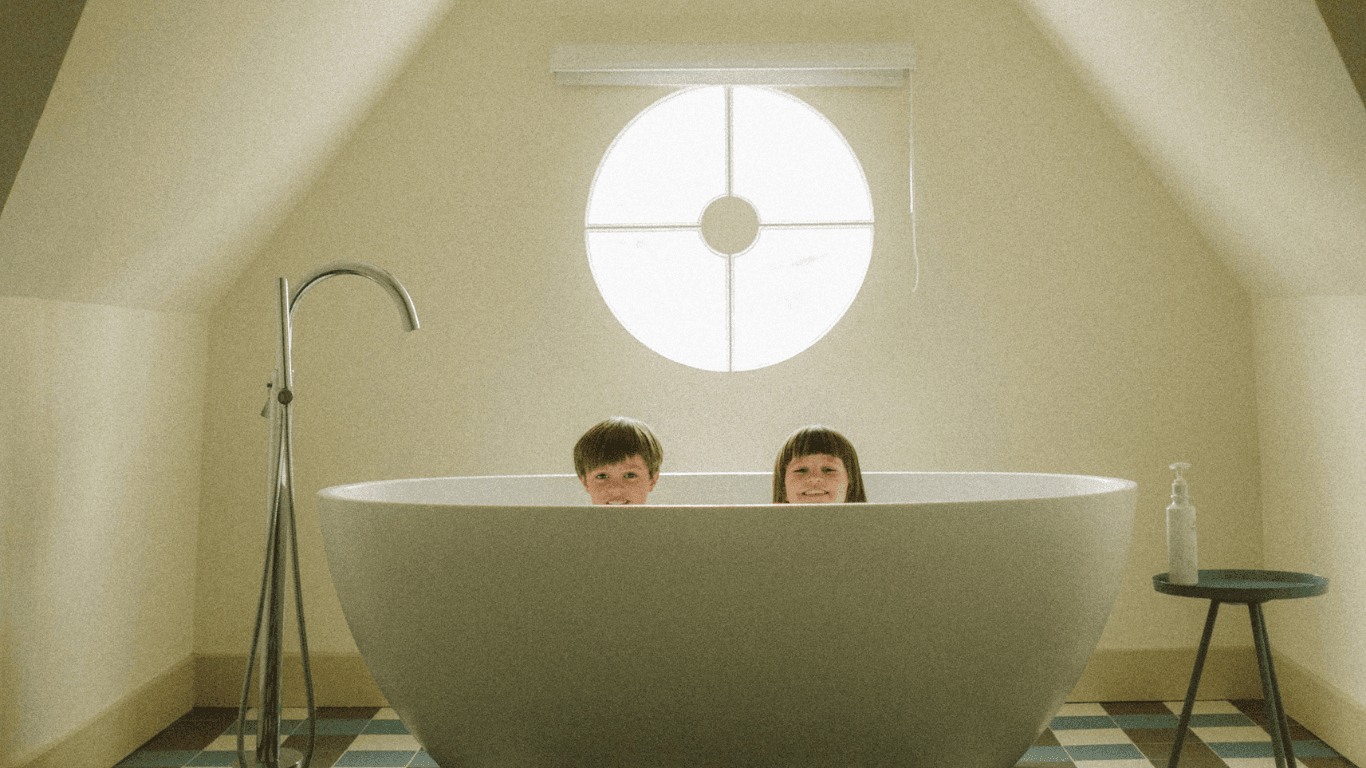
- A quick bath or wash-up, followed by hygiene (teeth, pajamas).
- Preparing the environment: dim the lights, close the curtains, adjust the temperature, put on a sleeper if applicable.
- A calm activity: reading, massage, a quiet game, or a moment of discussion.
- A tender moment: hug, lullaby, kisses, words of love.
- And finally: hop, into bed!
For naps, the structure can be similar but shorter (without a bath)
Morning Routine
In the morning, the routine signals the start of the day: say hello, open the curtains, turn on the light. These actions clearly differentiate waking up from a nighttime awakening. A small drink or breakfast completes the routine. Over time, the child will know on their own what to do before bedtime—shower, brush teeth, story, kisses—healthy habits that will last a lifetime.
At What Age to Start?
You can establish a routine as soon as your baby is between 6 and 8 weeks old (adjusted age). At this stage, they begin to recognize their environment and make associations between actions and times of day. It’s the ideal time to introduce small, comforting rituals.
Some Useful Tips
- The lovey: before 12 months, don’t leave it in the bed, but you can use it during the routine as a visual cue for upcoming sleep.
- Music: a soft melody can accompany sleep preparation, but turn it off just before saying "goodnight."
- White noise:Some babies’ sleep can be improved by white noise, which is turned on during the routine and left playing continuously during sleep, but the sound should not exceed 50 decibels (there are free apps to check—think of the noise of a refrigerator) and should be as far away from the child’s head as possible. Once sleep becomes more stable, white noise can be eliminated by reducing it a little each day.
- Choices: For older children, offering small choices (the book, the lullaby) helps them feel involved and cooperative.
- Busy evenings: If the evening is later (party, outing), it’s better to simplify the routine than skip it. For example, you can skip the bath, choose a very short story, or negotiate a slightly longer lullaby instead of a very short story. Consistency is important, but so is flexibility.
- When travelling or visiting grandparents: Try to maintain a similar routine for children while adjusting to the environment. For example, you can keep the same sequence of actions but tell the story in the grandparents’ bed instead of the child’s room. If possible, the person doing the routine with the child should be the one present if the child wakes up during the night to avoid surprising them with the absence of the person who put them to bed.
The bedtime routine is much more than a series of repeated actions: it’s a moment of connection, calm, and security. It helps the child understand that sleep is a natural and pleasant transition, not an anxious separation. And if, despite a well-established routine, your child’s anxiety persists or intensifies, we’ll delve deeper into this topic in an upcoming article on separation anxiety.
Offering a stable routine to your child gives them a reassuring framework in a world full of twists and turns. It’s also a gift for you: calmer evenings, fewer bedtime battles, and better quality sleep for the whole family.