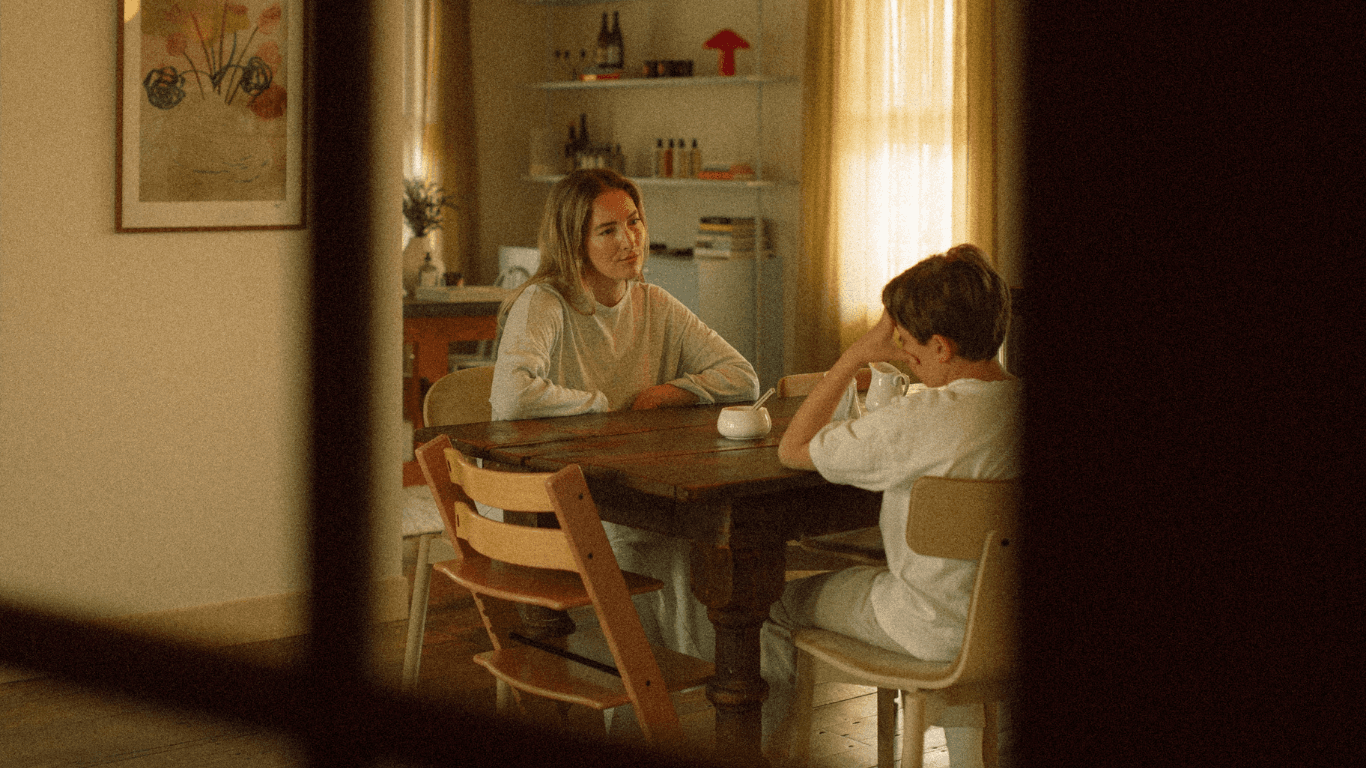
You've probably noticed that your child can become worried, nervous, or fearful in certain situations. Maybe these situations didn't provoke any reaction a few months ago, and now these reactions are the subject of frequent discussions at home. Then comes the question that crosses all of our minds at one point or another: is this normal?
In this article, I'll help you understand what anxiety is in children and give you some tools to support your child when they're experiencing anxiety.
Like adults, children sometimes feel fear or worry when they experience something new, difficult, or uncertain. Indeed, anxiety is part of children's normal development.
"Normal" anxiety is the kind that protects us from danger. It helps us overcome challenges that may seem insurmountable and pushes us to act when we feel overwhelmed. Many things can cause anxiety: darkness, death, strangers, certain animals, or even natural disasters. We expect our child to have a particular reaction when there are loud noises or when they experience a situation for the first time. And you know what? That's a good thing! This anxiety can save lives by making us more vigilant and helping us react to difficult situations. So yes, we want our child to feel a certain level of anxiety—it's normal and useful for their development (Leroux, 2023).
Anxiety helps your child recognize that a situation is important or requires attention. For example, a little stress before an exam can encourage your child to study more. Being a bit nervous before a competition can help them focus and do their best. These reactions are normal and can even help children develop their ability to adapt to challenges (Anxiety Canada, 2026).
As a parent, understanding that this anxiety is a normal and adaptive reaction allows you to better support your child and help them manage their emotions without judging or minimizing what they're feeling (Leroux, 2023).
The Inner Alarm System
One tool I often use in my office to help parents and children understand anxiety is the image of an "alarm system." Imagine your child has an inner alarm that goes off whenever there's danger. Most of the time, this system works perfectly and warns them of a genuinely dangerous situation, allowing them to react appropriately. For example, if your child is crossing the street and a car is coming too fast, their alarm system goes off and prompts them to stop or back away.
Sometimes, the alarm system can be too sensitive and goes off even when there's no real danger. It's a bit like a car alarm that sounds when you press the wrong button. In this case, your child may feel very anxious before a presentation at school, even though there's no physical danger. They may also be afraid to sleep over at a friend's house or be babysat, even if they're safe.
Anxiety According to Age and Development
In most cases, children's worries are temporary and decrease with support from parents and adults around them. Depending on their age, children develop new fears or concerns, and this is entirely normal. For example, a 2-year-old won't be afraid of being kidnapped at night but might fear a monster hiding in their room. Conversely, a 2-year-old dressed as Spider-Man wouldn't worry about others' opinions, while a teenager might feel very concerned about how others perceive them if they go out without taking care of their appearance. In short, anxiety varies according to the stage of development.
A child usually takes 2 to 4 weeks to adjust to a new situation (like daycare, school, or a significant change at home). However, this period can extend to 6–8 weeks depending on age, temperament, and parental support.
If anxiety persists beyond this timeframe or interferes with the child's daily life, it may be a problematic anxiety requiring professional assessment (Canadian Paediatric Society, 2018; Naître et Grandir, 2026; Formeduc, 2026). Regardless of age, anxiety becomes concerning when it's very intense, lasts a long time, or prevents the child from functioning normally at school, at home, or with friends (Canadian Paediatric Society, 2018).
The Prevalence of Anxiety Disorders
Anxiety disorders are very common among children and adolescents in Quebec and Canada. The Canadian Paediatric Society notes that anxiety disorders are the most frequent mental health issue among young people, affecting up to 1 in 5 adolescents (Canadian Paediatric Society, 2018).
In Quebec, about 6 out of 100 children aged 5 to 17 have a diagnosed anxiety disorder, and this number is higher among adolescents (Ordre des psychologues du Québec, 2021). These disorders can make daily life more challenging: your child may struggle to concentrate at school, play with friends, or feel comfortable at home.
How Does Anxiety Manifest?
Anxiety in children can manifest in different ways, and it's not always easy to recognize in daily life. For example, your child may seem more worried, irritable, or have trouble concentrating. Sometimes, the signs are more subtle and manifest physically: stomachaches, fatigue, or sleep problems. You may also notice they avoid certain situations, like school or activities with other children. These signs become important to monitor when they take up a lot of space and start affecting their well-being, relationships, or daily activities (Gouvernement du Québec, 2023).
What's a Parent's Role When a Child Is Anxious?
Anxiety is part of life and children's normal development. As a parent, it's reassuring to know that many worries young people experience are temporary and often help them learn to face new challenges. By taking the time to listen to your child, acknowledge their emotions, and encourage them to gradually face the situations that worry them, you help strengthen their confidence and adaptability.
It's also important to remember that you don't have to manage everything alone. If your child's anxiety seems too intense or persistent, resources are available to support you. Don't hesitate to consult a professional if you're worried or if, despite all your support, your child's anxiety doesn't seem to decrease and starts affecting their functioning.
There are professionals who specialize in treating anxiety disorders and can help you better support your child. You can find a psychologist (an expert in mental health who can both assess and treat anxiety disorders) or psychotherapist in your area by visiting the website of the Ordre des psychologues du Québec. You can also contact your local CLSC or family doctor, who can refer you to another professional if you don't have access to a psychologist or psychotherapist.
With support, patience, and positive experiences, most children gradually learn to recognize their emotions and face their worries. The goal isn't to completely eliminate anxiety but to help your child develop the necessary tools to understand and manage it with confidence.
I'll leave you with these reading suggestions… because parents are often the best caregivers to help their child through a difficult period!
Leroux, S. (2023). Anxiété chez l’enfant et l’adolescent. Montréal : Hôpital Sainte-Justine (Collection Parlons Parents).
— Comprehensive French guide for parents and adolescents on anxiety, its manifestations, and support strategies.
Couture, N., Marcotte, G., & Berghella, N. (2021). Incroyable Moi maîtrise son anxiété : guide d’intervention illustré pour enfant. Montréal : Éditions Midi trente.
— Illustrated guide designed for children to help them recognize and manage their anxious emotions.