When I became a mom, I already knew one thing: when my daughters were old enough, I wanted to introduce them to different sports. Like many parents, I wanted them to try swimming, gymnastics, soccer, or any other activity that would give them a taste for movement.
Parental role models for an active lifestyle
What I didn’t know at the time was that this work had already begun. During my return to physical activity after my pregnancies, I alternated between home workouts and stroller runs. Sessions were sometimes interrupted by the kids, nights were short, and motivation wasn’t always there. Yet, I kept going. Because my workouts were important and made me feel good.
It wasn’t until a few years later that I realized my daughters weren’t just watching a mom who exercised. They were learning what an active lifestyle was. One day, one of them said to me:
"Look, Mom, I’m doing burpees!"
Another time, during a game with her dolls:
"Friends, get ready, it’s workout time!"
And there were those mornings when, while I was still negotiating with my own motivation, they’d ask me:
"Mom, what time are we working out today?"
That’s when I realized the greatest athletic legacy I could pass on to them wasn’t a sports club membership. It was the example I set for them every day.
Incorporating physical activity into children’s daily lives
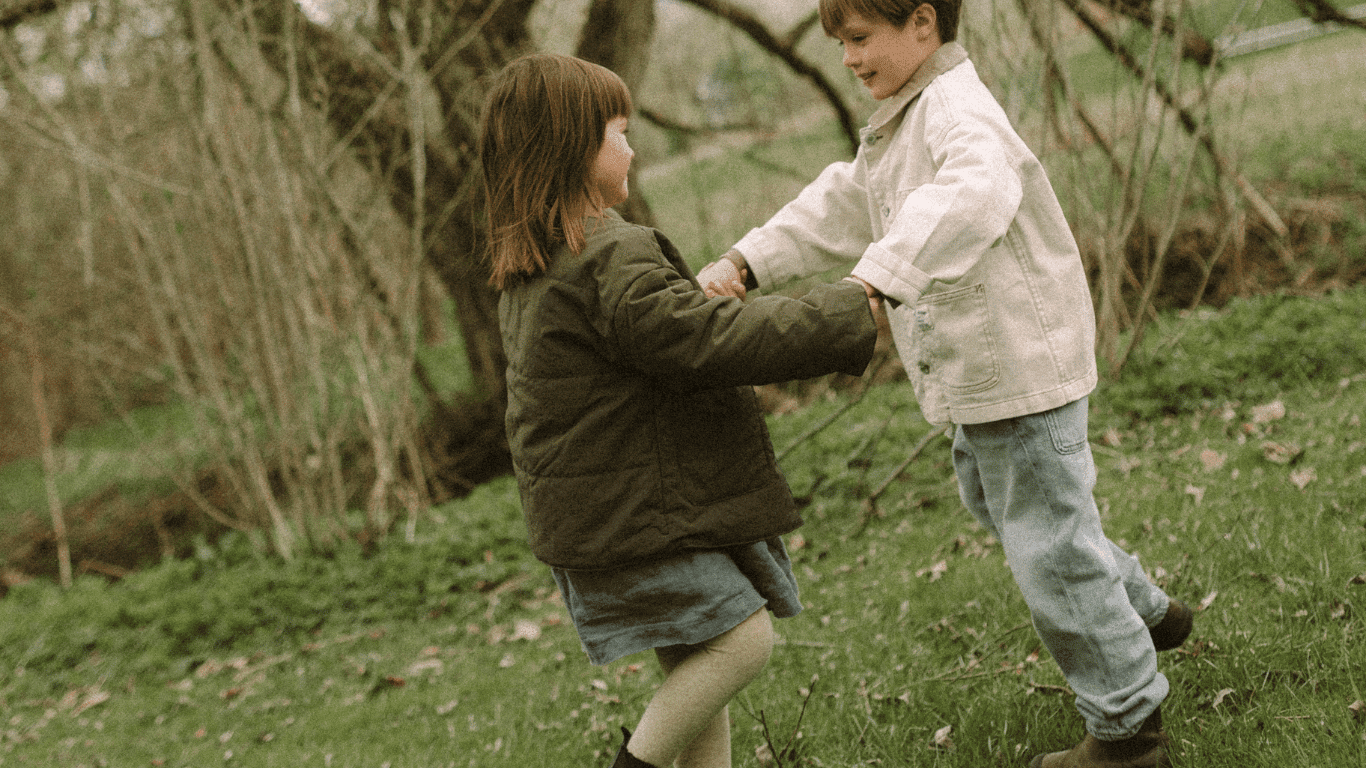
Of course, every family is different. Some parents like to run, others prefer walking, cycling, dancing in the living room, or simply going to the park. There’s no single right way to move. What matters is that children grow up in an environment where movement is naturally part of daily life.
And that’s exactly what the Canadian Guidelines on 24-hour movement suggest: integrating physical activity into everyday life, while prioritizing sleep and reducing sedentary time.
- Physical activity for 0 to 2-year-olds
For toddlers, there’s obviously no talk of "working out." The recommendations focus on creating multiple opportunities to move throughout the day: playing on the floor, crawling, climbing, exploring, walking, running… For children aged 1 to 2, at least 180 minutes of physical activity spread throughout the day is recommended, without it resembling an exercise session. - Movement for 3 to 4-year-olds
Starting at age 3, children should accumulate at least 180 minutes of movement per day, including at least 60 minutes of energetic play: running, jumping, climbing, dancing, or playing outside. - Being active for 5 to 17-year-olds
As they get older, the recommendations shift to at least 60 minutes of moderate to vigorous physical activity per day, in addition to several hours of light activities. It’s also recommended to limit recreational screen time to two hours per day and avoid long periods of sitting.
Moving as a family: easy everyday ideas
I think many parents read these recommendations and think, "How am I going to get my child to move for 60 minutes today?" But in reality, they’re inviting us to create a daily life where movement is normal. Here are some simple examples for moving as a family:
- Walking to the park;
- Dancing while preparing dinner;
- Going on a forest hike;
- Letting your child join you on a bike ride;
- Playing hide-and-seek;
- Setting up an obstacle course in the living room on a rainy day;
Movement doesn’t need to be organized to be beneficial. Ultimately, the goal isn’t to raise a future athlete. It’s to help a child develop a positive relationship with movement… for life.
"Children don’t need to be asked to exercise. They mostly need to see that moving is naturally part of family life."
Patricia Dorval, clinical nurse
Resources for moving as a family:
- Sépaq: Enjoy Quebec’s national parks as a family! Access is free for youth aged 17 and under, and many activities are also free. Depending on the destination, you may also have free access to children’s equipment, such as bikes, helmets, bike trailers, or baby carriers. The offer varies by park and availability. https://www.sepaq.com/famille/index.dot?language_id=2&utm_source=chatgpt.com
- Circonflexe: Before buying new equipment, check what’s available near you. Circonflexe allows you to borrow sports, recreational, and outdoor equipment for free at various service points across Quebec. https://www.quebec.ca/tourisme-loisirs-sport/activites-sportives-et-de-plein-air/activites-plein-air-quebec?utm_source=chatgpt.com
- Municipal facilities: Explore what your municipality offers: parks, water play areas, pools, skating rinks, sports fields, bike paths, trails, and playgrounds. A quick look at your city’s recreation programs could introduce you to new free or low-cost activities.
- School and daycare: Check out the activities offered at your child’s school or daycare. Extracurricular activities, school sports, and active play periods are all opportunities to discover different ways to move, without necessarily adding more trips to the family schedule.
- Local sports federations and associations:Does your child show a particular interest in a sport? Soccer, swimming, gymnastics, track and field, cycling, or cross-country skiing clubs can help them explore this interest in a more structured setting.