Bowel habits vary greatly from one child to another, and this can sometimes worry parents.
Constipation occurs when bowel movements become less frequent than usual or when they are difficult to pass and harder. This can be uncomfortable for the child and may be accompanied by stomach aches, bloating, or, more rarely, vomiting.
Every child has their own bowel rhythm. However, it is generally considered that a child should have a bowel movement at least three times a week. Don't hesitate to talk to a healthcare professional if you have any concerns.
What are the possible causes?
- Certain illnesses or medications (thyroid gland disorder, eating disorders, antihistamines, etc.)
- Lack of fibre or fluids in the diet
- Lack of physical activity
- Withholding bowel movements (e.g., fear of experiencing pain during evacuation or using public toilets)
Functional constipation is when it is not related to a medical cause. This is by far the most common form in children and, although inconvenient, it is usually treated well.
The treatment plan is based on four important aspects: diet, establishing a regular toilet routine, physical activity, and medication (if needed).
This article aims to support you in managing constipation of dietary and behavioural origin. If medication is necessary, it is important to discuss it with a doctor or pharmacist, who can guide you based on your child's situation.
What to do if constipation is of nutritional origin?
Dietary fibres are carbohydrates found in plants. They are not digested by the body but play a very important role in relieving constipation. They absorb a large amount of water and facilitate bowel movements. To relieve constipation, fibre is therefore needed. Good news! All fruits and vegetables contain them, but some more than others.
Here are some simple dietary tips to incorporate into their daily life:
- Try to have your child eat at regular times.
- Offer a balanced meal consisting of a cereal product (e.g., rice/bread), a source of protein (e.g., meat, fish, eggs), and vegetables.
- Offer fruits and vegetables at least twice a day, and don't feel guilty if your child doesn't eat them.
- Replace juice with fresh fruit. In general, fresh fruit contains a higher fibre content than juice, especially when keeping the peel. However, prune nectar, made from dried prunes, can be used as a remedy for constipation.
- If your child doesn't like fresh fruit, fruit compotes can be a start. Homemade ones will be more nutritious, so you can keep the peel to increase fibre intake.
- Serve whole grain cereal products rich in fibre, such as brown rice, whole wheat bread, and whole wheat pasta.
- Avoid excess dairy products, as this can affect their appetite, and your little one may consume fewer fibre-rich foods. From 2 years old, aim for a maximum of 500 ml of 3.25% cow's milk per day.
Fibre should be increased gradually, as a rapid increase can lead to bloating, gas, and stomach aches. You can follow this example of progression for the next few weeks to ensure your child's comfort.
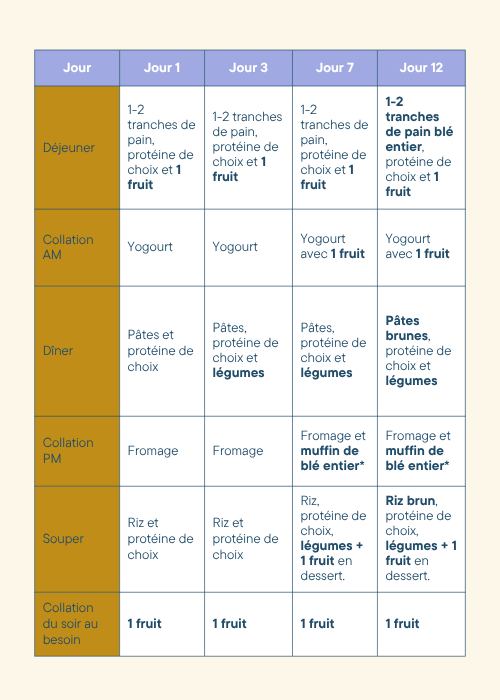
Contrary to popular belief, there is not enough evidence to support that bananas cause constipation. On the contrary, bananas contain about 2.2g of fibre and can be part of a healthy and balanced diet to relieve constipation, although it is not the fruit with the highest fibre content. It is better to vary fruits and vegetables in their diet to ensure sufficient fibre intake and meet their vitamin and mineral needs!
Did you know that frozen fruits and vegetables are an economical option and just as nutritious as fresh ones? Don't be discouraged if that's all you have on hand; take out a portion of frozen fruit to prepare their favourite smoothie or add frozen vegetables to your spaghetti sauce—it's simple, practical, and nutritious.
While fibre is essential, hydration is just as important. Fibre absorbs water to increase stool volume and facilitate its evacuation. You can simply offer a glass of water for each additional portion of fibre-rich food.
Tip: If your child doesn't like water, you can easily prepare fresh fruit or citrus-infused water or even add a few drops of juice. All liquids contribute to hydration, whether it's water, milk, or juice. That said, try to limit juice to a maximum of 125 ml per day. When possible, water remains the best choice.
What is a toilet routine?
It's simply a method that allows for the retraining of the intestinal muscles. To cure constipation, bowel movements must be eliminated regularly but gradually.
Here are some tips to help your little one establish a schedule:
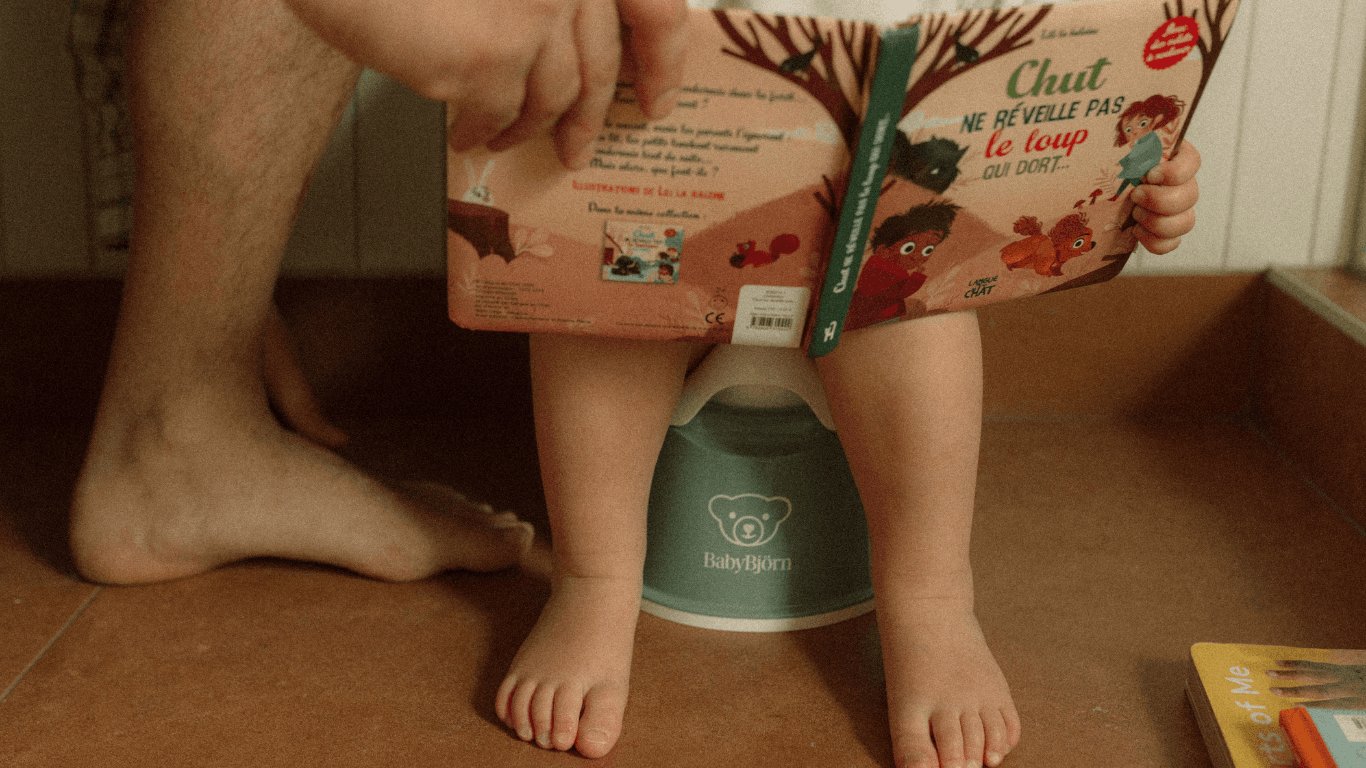
- Seat your child on the toilet 20 to 30 minutes after a meal. Even if there is no bowel movement, encourage them to stay on the toilet for 5 to 10 minutes and praise them for their efforts.
- Prioritize an adequate position on the toilet. Feet should be on the floor or on a stool, and the back should be slightly forward. This squatting position facilitates bowel movements.
- Encourage your child to tell you when they feel the urge.
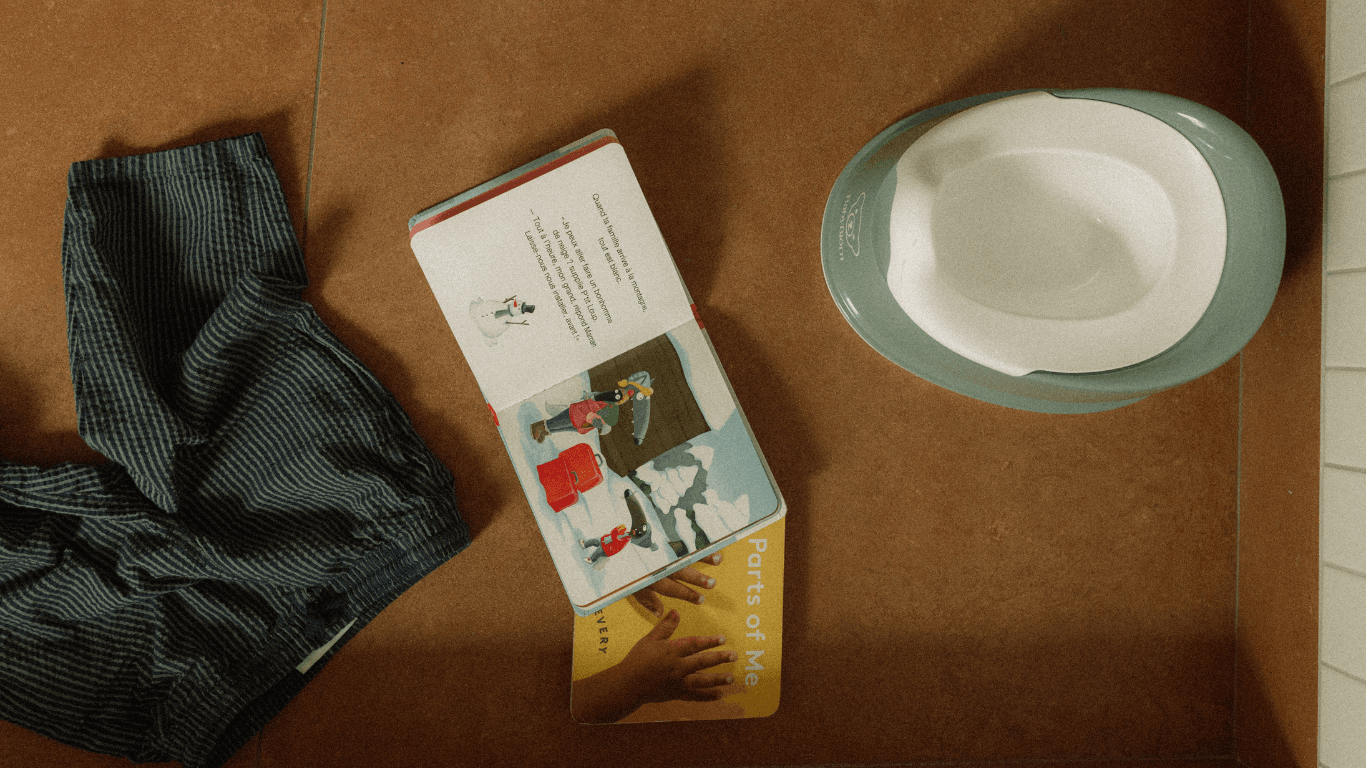
- Dress them in easy-to-remove clothing.
- Reassure them that it's normal to relieve oneself and explain the importance of respecting the urge to go to the toilet.
Did you know that physical activity can also help relieve constipation by stimulating intestinal movement? Walking, dancing, or playing in the park are all part of physical activity time and contribute to healthy bowel function.
A word about medication :
Polyethylene glycol powder can be part of the solution. It is a mild laxative, safe, and well-tolerated by children. For personalized treatment, talk to a healthcare professional or pharmacist.
In short, intestinal retraining can take several weeks, sometimes even a few months. Take your time and trust your child's rhythm. With gentleness, patience, a little more fibre, water, and movement every day, constipation can gradually improve.