Dehydration: A Real Issue for Children and Teens?
Summer often means days spent outdoors. Between day camps, trips to the park, swimming, hiking, family vacations, and sports activities, children and teens spend many hours outside. Younger kids run, climb, and play, while older ones spend more time with friends, work summer jobs, or practice their sport.
As a parent, you usually think about packing lunch, sunscreen, a hat… and slipping a water bottle into the bag. But just because your child has one with them doesn’t mean they’ll drink enough. Often, they’re so absorbed in their activities that they simply forget to drink.
Understanding Dehydration Better
Dehydration can also affect a child playing outside for hours, a teen spending the day with friends, or a kid returning from day camp with a nearly full water bottle. The good news? You don’t need to count glasses of water or monitor every sip your child takes. Better understanding the factors influencing their fluid needs allows you to adopt simple, effective habits that are easy to integrate into daily life.
Children Aren’t Mini Adults
We often hear that children aren’t mini adults. This statement is especially true when it comes to heat and hydration.
When it’s hot or we’re active, our bodies produce heat. To prevent our core temperature from rising too much, our bodies need to release this heat, mainly through sweating.
In children, this system is still developing. Compared to adults, they have a larger body surface area relative to their weight, making them more sensitive to heat. When they’re physically active or playing outside in hot weather, they can become dehydrated more quickly.
Another factor comes into play: children don’t always feel thirsty when their bodies already need fluids. In other words, they don’t necessarily drink at the right time to compensate for their fluid loss.
And as all parents know, when kids are engrossed in their games, drinking is rarely a priority. Between an impromptu soccer match, a treasure hunt, or an afternoon at the pool, many simply forget to take a break to hydrate.
Teens generally regulate their body temperature better than young children. However, they also gain more independence and spend more time away from their parents. Between outings with friends, summer jobs, workouts, or long days outdoors, they too can easily forget to drink enough.
Did you know?
Most dehydration episodes in children don’t occur during sports competitions but rather on hot days when they spend hours playing outside or participating in day camp activities without taking time to drink.
Thirst Isn’t Always a Good Indicator
Many parents rely on their child’s thirst to know when it’s time to drink. However, research shows that the sensation of thirst isn’t always a good indicator of fluid needs, especially during physical activity or on hot days.
Absorbed in their games or activities, children often spontaneously replace less fluid than they lose through sweating.
Even mild dehydration can lead to fatigue and reduced concentration. In young athletes, it can also increase the perception of effort and decrease physical performance. Fortunately, you don’t need to wait for these effects to appear to take action.
Instead of constantly reminding them to drink, take advantage of moments when they naturally stop—before playing, during breaks, at meals, snacks, or after an activity—to offer them water. These repeated opportunities are usually enough to establish good hydration habits.
How Can You Tell If Your Child Is Well Hydrated?
It’s not always easy to know if your child is well hydrated. Needs vary depending on temperature, physical activity level, duration of outdoor activities, health status, and even individual differences in sweat production.
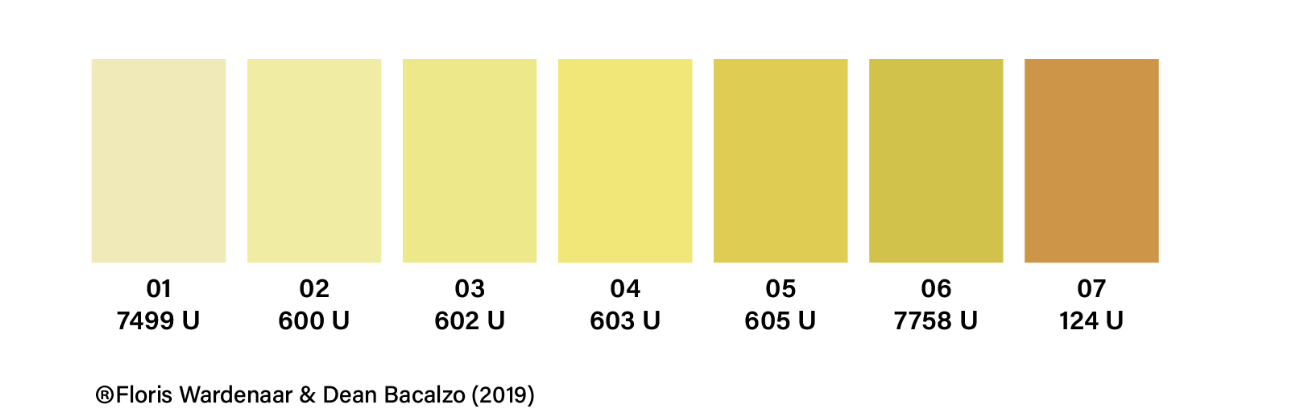
One of the most useful indicators is the colour of their urine. Pale yellow urine is generally a sign of good hydration, while darker urine may indicate it’s time to drink more.
Also observe your child as a whole. A well-hydrated child has enough energy to play, participates normally in activities, and urinates regularly throughout the day. Conversely, unusual fatigue, dry mouth, headaches, reduced concentration, or dizziness may be signs they need to drink more.
If these symptoms persist, worsen, or are accompanied by vomiting, excessive sleepiness, confusion, refusal to drink, or signs of heat exhaustion, seek medical attention promptly.
Urine Colour: A Good Indicator?
Pale yellow: generally a sign of good hydration.
Dark yellow: it’s probably time to drink more.
Interpret with nuance: morning urine is naturally darker, and certain medications or vitamins can also alter its colour.
How Much Water Should My Child Drink?
This is probably the question parents ask most often… and unfortunately, there’s no single answer.
There are guidelines based on age, but they represent average water needs from both drinks and food. In reality, needs vary greatly from one child to another.
Temperature, physical activity level, duration of outdoor activities, health status, and even sweat production influence how much fluid a child needs. So, two children of the same age can have very different needs.
Rather than aiming for a specific number of millilitres, it’s generally more helpful to adopt a few good hydration habits:
- Start the day with a glass of water;
- Keep a water bottle easily accessible;
- Drink at meals and snacks;
- Take advantage of breaks to offer water, especially when it’s hot or activities are prolonged;
- Encourage your child to drink regularly, without forcing them.
The goal isn’t to control every sip but to make drinking water a natural part of their day.
Promoting Good Daily Hydration
Good news: a few small adjustments are often enough to make water more appealing and promote good hydration, even on the hottest days.
Here are some simple ideas:
- Use an insulated water bottle to keep water cool longer.
- Add a few ice cubes before leaving the house or freeze half the bottle the night before, then fill it with water in the morning.
- If your child doesn’t like the taste of water, add a touch of flavour with slices of lemon, orange, or cucumber, mint leaves, frozen berries, or ice cubes made with 100% pure fruit juice.
- Let your child choose their water bottle. A bottle they find attractive, practical, or fun is more likely to go everywhere with them.
- Make sure water is always within reach, whether in the car, backpack, sports bag, or beach bag.
- Take advantage of breaks, meals, snacks, or activity changes to offer water, rather than waiting for your child to say they’re thirsty.
- Lead by example. Children naturally tend to imitate their parents, even when it comes to hydration.
- For teens, encourage them to take their water bottle when they leave the house for the day.
The best tip? Don’t make hydration a battle.
The easier water is to access, the more pleasant it is to drink, and the more naturally it’s offered at the right time, the more likely your child will drink spontaneously.
Key Takeaways on Hydration
Hydration doesn’t have to be complicated. You don’t need to count millilitres or constantly remind your child to drink. By establishing a few simple habits and giving them access to water throughout the day, you’re providing the best conditions for them to fully enjoy summer.
As usual, it’s the small, repeated daily actions that make all the difference.
Alexia de Macar, PhD
Nutritionist